Move & Change: Healing Through Dance, Movement & Internal Family Systems
I help you listen to your body, befriend your inner parts, and cultivate a compassionate, Self-led life.
For over 40 years, I’ve walked alongside people who are living with depression, anxiety, trauma, and old coping patterns that no longer serve them.
Through the integration of psychotherapy, Dance/Movement Therapy (DMT), and Internal Family Systems (IFS), we invite your body, mind, and spirit into a grounded, embodied healing relationship.
Do You Recognize Yourself Here?
You may be carrying more than you realize. Our work together can support you if you live with:
Depression
Feeling heavy, flat, or hopeless, even when everything looks fine from the outside.
Anxiety
Constant worry, restlessness, or feeling like your body is always on alert.
Trauma
Memories, sensations, or
reactions that feel stuck in
time.
Old Coping Patterns
Ways of protecting yourself that once helped but now get in the way of the life you want.
These inner experiences are not flaws. They are parts of you that have been working hard for a long time. Together, we welcome them into a new healing relationship with your core Self.
An Integrated,
Embodied Approach
In our sessions, we draw on several complementary approaches that support healing in both mind and body.
Internal Family Systems (IFS) – a compassionate model that sees you as a system of inner parts guided by a calm, wise core Self.
Dance Movement Therapy (DMT) – using posture, gesture, movement, and sensation as powerful pathways for awareness and healing.
Neuroscience and creativity theory – grounding our work in how the nervous system learns new patterns and builds resilience.
Together these approaches help create a compassionate feedback loop between thought, feeling, and behavior so your inner system can become more regulated, resilient, and Self-led.
Ways We Can
Work Together
Individual Psychotherapy

Dance Movement Therapy
Coaching & Consultation
Training & Education for Professionals
The Movement Relationship of Parts with Self

In the Internal Family Systems model, we understand that each of us contains different inner parts that developed to help us survive difficult experiences. Some parts protect us by managing situations, pushing us to perform, or helping us avoid pain. Other parts may carry old wounds, shame, or fear.
At the center of our system is the core Self, which naturally holds qualities like calmness, clarity, compassion, curiosity, courage, creativity, connection, and confidence.
Dance Movement Therapy adds another dimension to this work by paying attention to how these parts express themselves through movement, posture, gesture, breath, and rhythm.
As Self connects with each part, often through very simple movements, the system begins to soften and reorganize. Parts feel seen and respected, and the nervous system begins to release burdens it has been carrying for a long time.
Sometimes this exploration happens through very simple gestures, such as allowing one hand to
represent a part and the other to represent Self energy. Through gentle movement, a new relationship can begin to form between them.
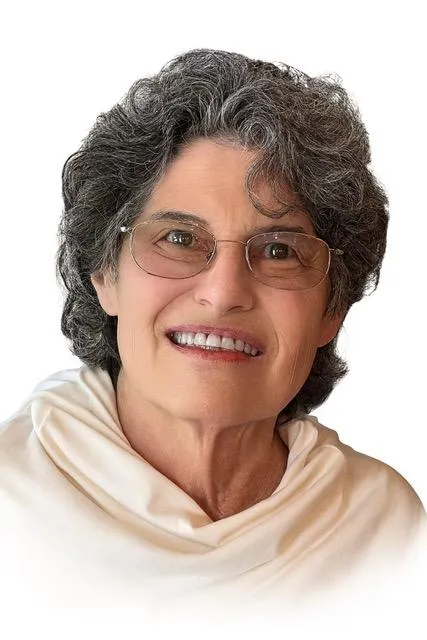
Meet Judith
I am a psychotherapist, dance-movement therapist, educator, consultant, coach, and trainer.
My work integrates psychology, Dance/Movement Therapy, Internal Family Systems, neuroscience, and creativity theory.
For more than forty years I have worked alongside individuals, communities, and mental health professionals to support healing, learning, and personal transformation.
Through individual psychotherapy, professional training, workshops, and consultation, I aim to create a respectful space where people can reconnect with their inner resources and move toward greater balance and Self-leadership.
Ready to Explore This Work Together?
Whether you are new to therapy or an experienced professional interested in a more embodied, parts-aware
approach, you are welcome here. If you feel curious about this work, I invite you to reach out and we can explore whether working together feels like a good fit.